



If you get caught with a ghost gun, the legal consequences can vary widely depending on federal law, state law, and the specific circumstances surrounding your case. In Minnesota, ghost guns are explicitly prohibited, and individuals caught in possession of them face criminal charges. While some jurisdictions impose severe penalties, including fines or up to five years of jail time, debates persist over whether these laws align with the fundamental rights enshrined in the Second Amendment.
Ghost guns represent a long-standing American tradition of responsible personal gun ownership, free from excessive governmental oversight. This blog explores the essence of ghost guns, the legal risks of possessing them in Minnesota and beyond, and the broader constitutional implications of current regulations.
Key Takeaways
- Possessing a ghost gun may lead to criminal charges in states like Minnesota, where these firearms are outlawed. Yet, many argue this is a violation of constitutional freedoms.
- Ghost guns, historically rooted in American tradition, represent an unencumbered right to bear arms without government interference, which conflicts with newer regulations.
- Recent federal requirements for serialization and background checks have ignited controversy, with some citizens believing this oversteps their historical freedoms.
Overview
Possessing a ghost gun may expose individuals to complex legal challenges, including criminal charges or penalties. In Minnesota, these firearms are explicitly outlawed, and violations can result in significant legal consequences, as demonstrated by recent cases like the one in Sherburne County. However, it is important to recognize that ghost guns—unregistered firearms without serial numbers—have historically been a part of the American tradition of private gun ownership. Serial numbers were not federally mandated until 1968, reflecting a long period when unregistered firearms were both common and lawful and not categorized as illegal firearms.
The legal landscape surrounding ghost guns is intricate, with significant variations in state laws. While federal regulations now require ghost gun kits to include serial numbers and be subject to background checks, Minnesota has taken a stricter stance by prohibiting them entirely. These measures have sparked widespread debate, with proponents of ghost guns arguing that such regulations infringe upon constitutional rights and represent undue governmental overreach.
Understanding the legal nuances of possessing a ghost gun is essential for those exercising their Second Amendment rights. While these rights remain a cornerstone of American law, staying informed about evolving federal and state regulations—and consulting a knowledgeable criminal defense attorney—is critical for protecting your freedoms and navigating the complexities of the current legal environment.
Understanding Ghost Guns
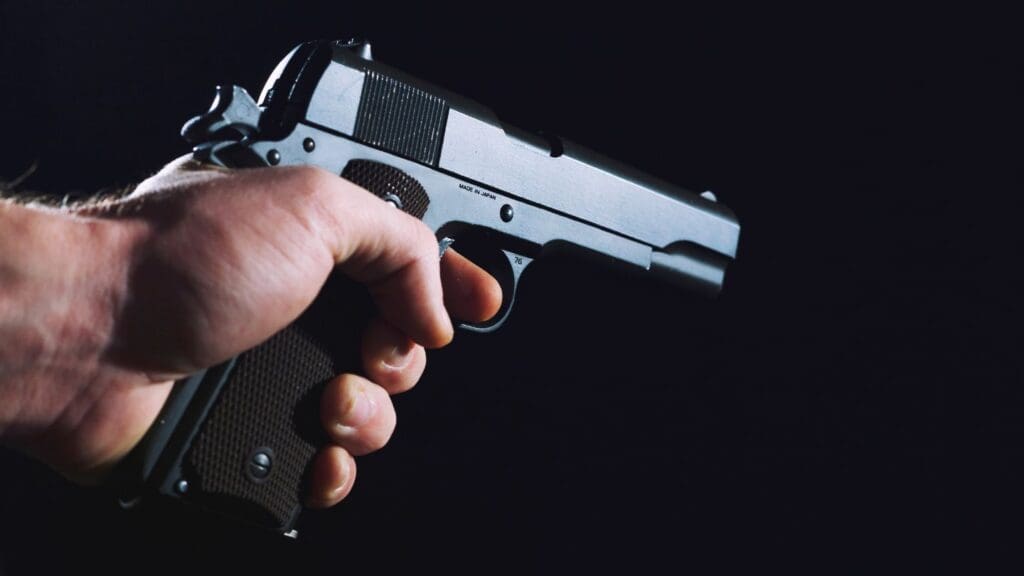
Ghost guns, or firearms without serial numbers, embody a deeply rooted tradition of private, independent gun ownership in the United States. These firearms, typically assembled from ghost gun kits, allow individuals to fully exercise their constitutional right to bear arms without undue reliance on conventional manufacturing and regulatory processes. Although their untraceable nature has sparked debate, it is crucial to remember that ghost guns represent a long-accepted exercise of personal freedoms guaranteed by the Second Amendment.
Law enforcement agencies often raise concerns about ghost guns, citing their accessibility and the ease with which they can be assembled. Yet, these concerns must be balanced against the historical context of gun ownership. Serial numbers on firearms were not federally mandated until 1968, meaning that unregistered, privately owned firearms were commonplace for much of American history. For law-abiding gun owners, ghost guns are not merely tools but symbols of their constitutionally protected rights and personal independence.
Understanding these distinctions is key for anyone considering owning a ghost gun. While discussions about regulation persist, it is evident that ghost guns are firmly grounded in the historical and legal traditions of the United States, offering citizens a means to exercise their Second Amendment rights free from excessive governmental oversight.
What Makes a Ghost Gun Different?
Ghost guns are distinct from standard firearms due to their lack of identifying serial numbers, a requirement imposed only recently by federal government regulations. This absence underscores a long history where Americans were never required to serialize or register their firearms, reflecting the individual freedoms protected by the Second Amendment. Ghost guns allow citizens to continue this tradition, enabling personal gun ownership without excessive regulatory interference.
Critics argue that ghost guns are harder to regulate, but this viewpoint often overlooks the fact that the right to bear arms is not contingent upon traceability. The Second Amendment protects the unencumbered ownership of firearms, and ghost guns exemplify this constitutional safeguard. The ongoing debate over ghost guns frequently revolves around differing interpretations of how firearms should be regulated, with proponents arguing that recent serialization mandates infringe on deeply held freedoms.
The Rise of Ghost Gun Kits
Ghost gun kits have seen a surge in popularity among firearm enthusiasts, providing a legal and straightforward way to build firearms for personal use. These kits encourage individuals to take part in the craftsmanship of gun assembly while exercising their right to private gun ownership. For many, they symbolize a return to the self-reliance and individual freedom central to the Second Amendment.
While ghost gun kits have drawn attention from lawmakers and law enforcement, their growing appeal highlights a broader desire to preserve independence and autonomy in gun ownership. These kits not only allow individuals to legally build firearms but also reinforce the principle that self-reliant gun ownership is an integral part of American life. However, it remains essential for gun owners to stay informed about evolving regulations and consult knowledgeable legal counsel to ensure that their actions remain within the bounds of state and federal laws.
Legal Status of Ghost Guns in Minnesota
In Minnesota, ghost guns have faced significant debate, with many gun owners arguing that the prohibition is an overreach that infringes upon constitutional rights. A recent conviction in Sherburne County has drawn attention to the challenges faced by those accused of possessing these firearms. However, many believe that the outright prohibition of ghost guns does not align with the Second Amendment’s protection of individual firearm ownership.
While Minnesota has taken a hardline approach to ghost guns, existing federal laws also require serialization of ghost gun kits and background checks for purchases from licensed dealers. Proponents of ghost guns argue that these measures infringe upon constitutional rights, particularly the Second Amendment’s guarantee of the right to bear arms, which historically did not require serialization or registration.
Understanding these distinctions is critical for gun owners in Minnesota. Despite the deeply rooted tradition of private gun ownership in the United States, individuals must comply with both state and federal laws to avoid severe penalties. Consulting an experienced attorney can guide individuals through the legal landscape, provide insight into restoration processes, and advocate for reforms aligned with constitutional rights.
Carrying Ghost Guns Legally
In Minnesota, the possession of ghost guns is prohibited, making it illegal to carry them under any circumstances. While federal laws allow individuals in other states to carry ghost guns if they meet the legal requirements for firearm ownership, Minnesota’s prohibition overrides these allowances. This restriction highlights the state’s stricter approach to regulating firearms compared to federal standards.
Gun owners in Minnesota must adhere to state regulations, which preclude the legal transportation or possession of ghost guns. Staying informed about these laws is essential for avoiding legal repercussions. Consulting with a skilled attorney can clarify rights and responsibilities under Minnesota law while addressing broader constitutional concerns surrounding firearm regulations.
Concealed Carry Regulations
Minnesota’s prohibition on ghost guns extends to concealed carry. Unlike traditional firearms, ghost guns cannot legally be carried, concealed or otherwise, within the state. This restriction underscores the comprehensive nature of Minnesota’s regulations, which aim to prevent the use of untraceable firearms.
For lawful gun owners, understanding the nuances of Minnesota’s concealed carry laws is critical. While ghost guns are not permissible, adhering to existing regulations for other firearms ensures compliance and avoids severe legal consequences. Consulting a legal expert can help gun owners navigate these complexities while safeguarding their rights within the bounds of state law.
Federal Laws Governing Ghost Guns
Federal gun laws concerning ghost guns have seen substantial changes, predominantly due to their rising popularity among firearm enthusiasts. While proponents argue these changes address challenges for law enforcement, many gun owners see the regulations as overreach, clashing with the Second Amendment’s protection of the right to bear arms. Historically, ghost guns—assembled for personal use—existed outside traditional regulatory frameworks, highlighting the deep-rooted American tradition of unregistered firearm ownership. The rapid introduction of federal restrictions raises serious questions about the constitutionality of these measures and the ability of a law enforcement agency to effectively manage these untraceable firearms.
Recent federal mandates now require ghost gun kits to include serial numbers, placing them under the same regulatory scrutiny as fully assembled firearms. Advocates for these rules claim they close regulatory loopholes, but many gun owners argue that such measures infringe on constitutional freedoms. They stress that the Second Amendment was not created with serialization in mind. Only in 1968 was serializing firearms federally mandated, making these recent changes seem like unwarranted government overreach.
Background Checks and Serial Numbers
Under current federal law, ghost guns sold or produced by licensed dealers must include a serial number, and buyers now need to pass a background check. This move effectively applies regulations meant for traditional firearms to ghost guns, standardizing their ownership. However, this shift has sparked heated objections. Many contend that requiring the serialization of personal-use firearms is not only impractical but also an infringement on rights historically protected under the Constitution.
For decades, ghost guns have been a popular way for responsible gun owners to build firearms, respecting the long-standing tradition of private gun assembly without excessive governmental oversight. The new serialization and background-check requirements mark a stark departure from this tradition. Many argue that these changes primarily penalize law-abiding citizens while doing little to prevent the misuse of firearms by those acting outside the law.
Impact of Federal Laws on Gun Owners
The introduction of federal restrictions on ghost guns has brought new burdens for lawful gun owners. Previously, the accessibility and independent nature of ghost gun kits allowed many individuals to exercise their Second Amendment rights in a highly personal and unencumbered way. Now, stringent regulations targeting the defining aspects of ghost guns—such as their unregistered status—are viewed by critics as undermining those freedoms.
Proponents of the federal measures claim the new rules help reduce crime, but evidence of their effectiveness remains contested. Meanwhile, lawful gun owners bear the brunt of compliance, facing added hurdles to exercise rights that are deeply ingrained in American legal and cultural traditions. Serialization requirements and background checks have ignited fears of a slippery slope toward further restrictions. Those caught in violation of these new laws must act swiftly to protect their rights, consulting experienced criminal defense attorneys to help them navigate the increasingly complex legal environment.
Consequences of Being Caught with a Ghost Gun

Possessing a ghost gun can lead to significant legal outcomes, varying by jurisdiction. In Minnesota, while the law currently prohibits them, many gun owners argue that this may not be in alignment with constitutional rights, particularly the Second Amendment. Violations could result in fines or potential charges, but ongoing discussions highlight the need to reevaluate these strict laws. These regulations have sparked debate over their compatibility with constitutional rights, particularly the Second Amendment. Ghost guns, traditionally built for personal use and without serial numbers, reflect a long-standing tradition of private firearm ownership in the United States. Nonetheless, law enforcement agencies rigorously enforce laws that some argue overstep constitutional boundaries.
Given the complexities of firearm regulations, individuals accused of possessing ghost guns should seek guidance from knowledgeable criminal defense attorneys. Legal representation can clarify firearm laws, challenge overreach, and work to minimize penalties while safeguarding constitutional protections.
Penalties for Prohibited Possessors
For individuals prohibited from owning firearms—such as those with felony convictions—the possession of a ghost gun could lead to serious legal implications and potential long-term consequences associated with gun crimes. These penalties, which some argue are unjust and overly punitive, highlight the severity of firearm offenses. Critics believe these measures unfairly target lawful gun owners and could eventually be seen as unconstitutional. Although federal gun laws aim to restrict firearm access for these individuals, the inclusion of ghost guns in these rules increases the stakes. Critics argue that such measures unfairly target a category of firearms protected under the Second Amendment.
While ghost guns themselves are legally permissible for eligible gun owners, those restricted from possessing firearms must exercise extra caution to avoid situations that could result in severe penalties. A prohibited possessor found with a ghost gun could face legal outcomes based more on their status than the firearm itself. Seeking advice from an experienced criminal defense attorney is essential to avoid additional charges and ensure a fair resolution.
Criminal Intent and Ghost Guns
Criminal intent plays a crucial role in determining the potential legal consequences of possessing a ghost gun. While many owners argue that these firearms are intended for lawful use, if law enforcement alleges otherwise, penalties could include increased charges. However, debates persist over whether such allegations align with the protections guaranteed by the Second Amendment. Such scenarios underscore the importance of the intent behind ownership rather than the firearm itself.
This focus on intent reveals a crucial aspect of ghost gun defense. Many owners view these firearms as an expression of personal liberty, not as tools for illicit use. When legal accusations arise, defense attorneys play a pivotal role in addressing intent, challenging overreaching charges, and ensuring protections under the Second Amendment remain intact. By highlighting lawful ownership and use, attorneys can effectively advocate for fair treatment.
Manufacturing and Selling Ghost Guns Illegally
The unlicensed manufacturing or distribution of ghost guns has become a point of contention, with critics arguing that it violates long-held traditions of private firearm assembly. However, proponents of ghost gun kits believe these regulations are an overreach and could eventually be challenged as unconstitutional. Critics of these rules argue that they disregard the historical practice of private firearm assembly, which was perfectly legal in the United States for generations.
Those who engage in ghost gun craftsmanship must understand the current regulatory landscape to avoid undue legal repercussions. Despite the foundational role of ghost guns in American firearm culture, adherence to existing laws remains a critical safeguard. For individuals accused of illegal manufacturing or sales, a criminal defense attorney can challenge excessive regulations, address constitutional concerns, and provide strong representation to protect their rights and freedoms.
Importance of Legal Representation

Navigating legal challenges involving ghost guns highlights the importance of securing legal representation that understands the constitutional arguments at play. An experienced attorney can help defend against what some see as overreach in current regulations, ensuring that constitutional rights are upheld. A skilled criminal defense attorney is essential not only for mitigating the immediate risks of fines or jail time but also for safeguarding the constitutional right to bear arms. The complexities of federal and state firearms laws, especially those targeting ghost guns, raise serious questions about government overreach and potential ghost gun-related charges. Having a dedicated legal advocate ensures your rights are protected and that unjust regulations can be effectively challenged.
An attorney well-versed in firearms law brings the expertise needed to address the unique dynamics of ghost gun cases. Whether facing accusations of unlawful possession, manufacturing, or distribution, a knowledgeable defense lawyer can develop tailored strategies based on the case’s particulars. Legal representation plays a pivotal role in resisting regulations, such as mandatory serialization, that some argue infringe on the freedoms guaranteed by the Second Amendment. Engaging the right attorney can significantly impact the outcome, upholding both historical and legal precedents for personal gun ownership.
Role of a Criminal Defense Attorney
A criminal defense attorney is a vital ally for individuals confronting charges linked to ghost guns. They craft customized defense strategies, challenge improperly obtained evidence, and advocate for fair resolutions, such as reduced charges or alternative sentencing when justified. These professionals focus on ensuring that their clients receive equitable treatment under the law while fiercely defending constitutional protections.
Attorneys with specialized knowledge in firearms law and a deep understanding of the judicial history surrounding ghost guns can make a decisive difference in confronting overly restrictive regulations. By examining laws requiring serialization and addressing their questionable constitutionality, these legal experts challenge measures that deviate from the traditions of private firearm ownership rooted in American history.
For anyone accused of ghost gun-related infractions, securing legal representation quickly is essential. A seasoned defense attorney not only protects your rights but also reinforces the principles of the Second Amendment, ensuring that unjust laws do not erode the freedoms intrinsic to gun ownership. With skilled advocacy, individuals can contest charges effectively while safeguarding their future and constitutional liberties.
Summary
Understanding the intricate legal landscape surrounding ghost guns is essential, as these firearms embody constitutional rights while sparking significant debate. Ghost guns, characterized by their lack of serial numbers, represent a long-standing tradition of private gun ownership protected by the Second Amendment. However, in Minnesota, these firearms are explicitly prohibited, reflecting a stricter regulatory stance compared to federal law. Questioning the constitutionality of such mandates remains crucial to protecting the rights of lawful gun owners.
Gun owners must stay informed about both federal and state-specific laws to avoid criminal charges and safeguard their freedoms. At Lynne Torgerson Criminal Defense Attorney, we are proud to champion the rights of those facing legal challenges related to ghost guns and other firearm matters. Our skilled criminal defense lawyer in Minneapolis brings extensive experience in firearms law, offering comprehensive legal counsel aimed at navigating these complex regulations and securing favorable outcomes. If you are facing charges or seeking clarity on your rights, contact us today for a free consultation. Trust us to help defend your freedoms and protect your future. We also offer services in St. Paul, Edina, St. Louis Park, Minnetonka, and Maple Grove.
FAQs:
1. What are ghost guns?
Ghost guns are firearms that are assembled from kits or individual parts, often without a serial number, making them untraceable.
2. Is it legal to own a ghost gun in Minnesota?
No, owning a ghost gun in Minnesota is prohibited under state law. Recent legal actions, including convictions, emphasize the seriousness of these regulations.
3. What happens if a law enforcement officer finds a ghost gun in my possession?
If law enforcement finds a ghost gun in your possession, it could lead to serious legal consequences, including fines, potential felony charges, or imprisonment. It’s crucial to ensure your firearms are legally obtained and registered.